
LifePlanner: Evaluating LLM Agents for Geo-spatial Planning with Social Media Data
A benchmark that connects maps with local social-media evidence to evaluate LLM agents across four geo-spatial planning tasks and three difficulty levels.
Exploring how machines see, understand, and interact with our world.
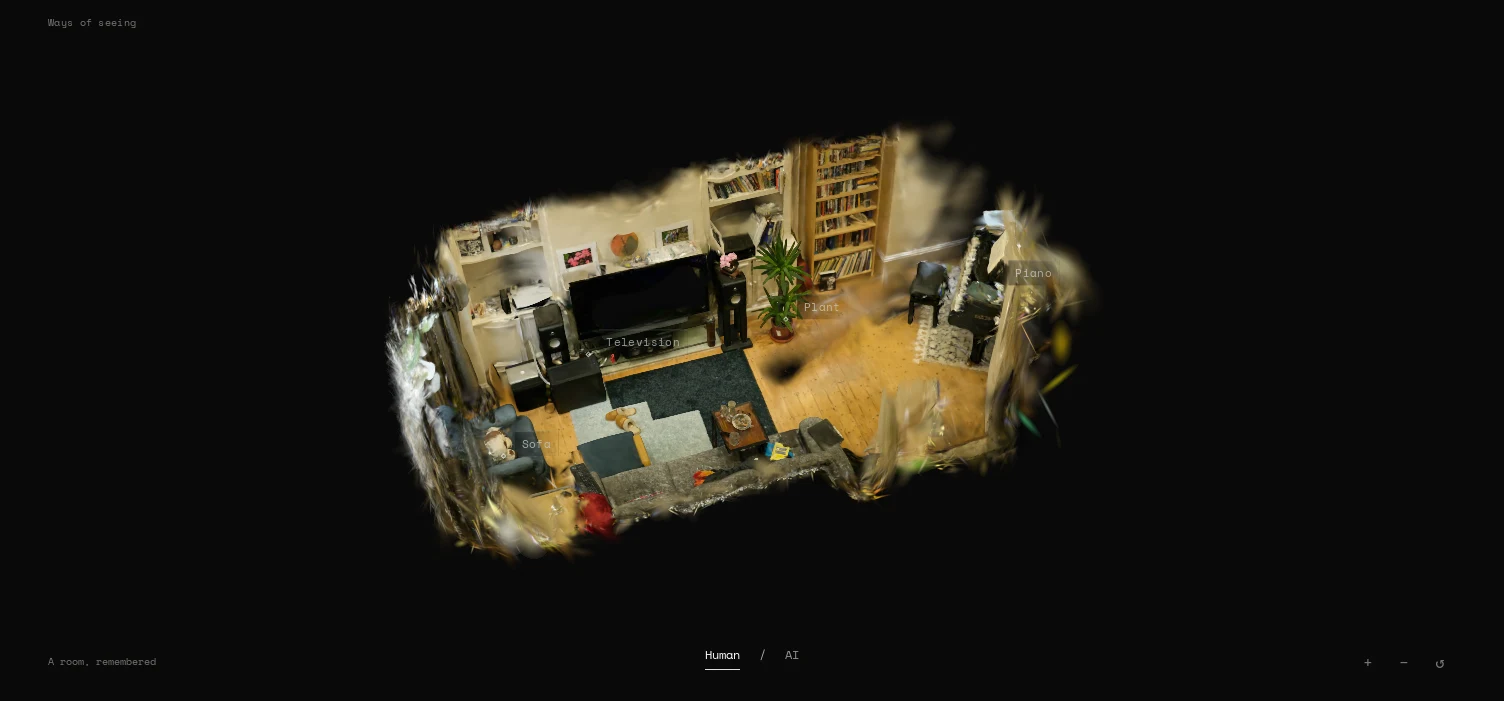
I study how machines perceive
and understand the world in 3D.
I am a master’s student at LIESMARS, Wuhan University , supervised here by Zhen Dong and Bisheng Yang , and co-supervised by Yuan Liu and Haiping Wang at HKUST .
My research spans 3D scene understanding, reconstruction, and large language models. I am part of WHU-USI3DV .
2024 — present
M.S. · Photogrammetry & Remote Sensing
Wuhan University
2020 — 2024
B.S. · Wuhan University
From observations
to understanding.
A benchmark that connects maps with local social-media evidence to evaluate LLM agents across four geo-spatial planning tasks and three difficulty levels.
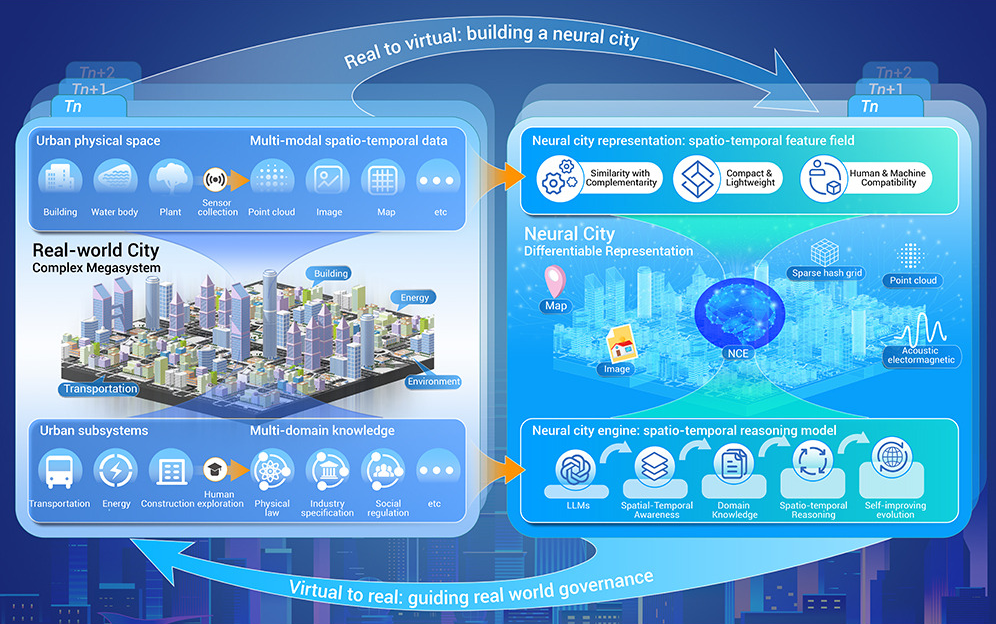
A framework connecting raw urban observations with holistic urban governance through the “6W+4R” paradigm.
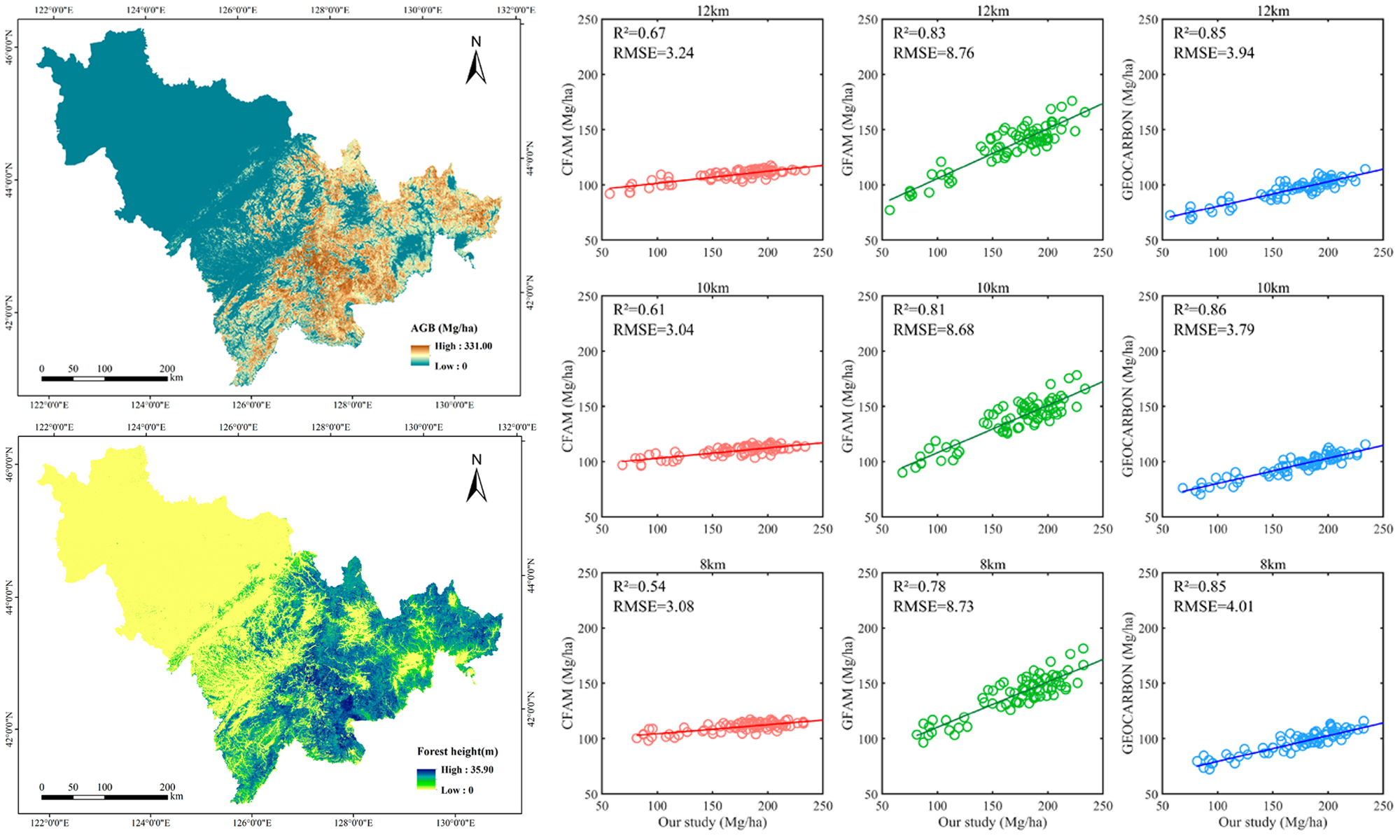
Mapping forest height and aboveground biomass at 15-m resolution by combining satellite imagery and spaceborne LiDAR.
* Equal contribution · † Corresponding author

Research Intern · Hangzhou, China
Developed a Reinforcement Learning post-training pipeline for autoregressive 3D mesh generation models, designing reward functions to systematically optimize the geometric fidelity, topological correctness, and visual aesthetics of the generated meshes.
Built a scalable pre-training data curation pipeline by developing geometry-based filtering operators for targeted failure modes and a VLM-based auto-annotation framework through instruction tuning and prompt engineering.
Between the shape of the land
and the traces we leave.
Photographs by Yuning Peng Light, space, and the intervals between.